


The Psychology of Environment
Casinos are meticulously designed with the intent of immersing players in an engaging atmosphere. The sights, sounds, and even smells are carefully curated to enhance the gambling experience. Bright lights, ringing slot machines, and upbeat music create an illusion of excitement and encourage longer playtime. This sensory overload distracts players from their logical reasoning, making them more inclined to gamble impulsively. For those interested in exploring alternatives, you might find that online casinos offer a unique experience without the physical constraints of a traditional casino.
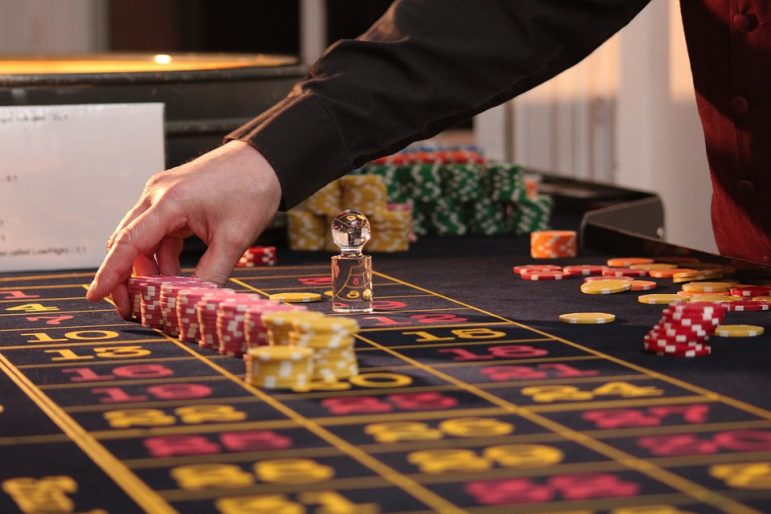
Furthermore, the layout of the casino plays a crucial role in influencing betting behavior. By strategically placing gaming tables and slot machines, casinos create a flow that encourages players to explore more of the space. This means that players are more likely to encounter games they might not initially choose, ultimately leading to more bets placed and a higher chance of loss.
Reward Systems and Reinforcement
The use of reward systems in casinos taps into the psychological principle of reinforcement. Players often receive rewards in forms such as free drinks, loyalty points, or even complimentary hotel stays. These incentives serve to create positive associations with gambling, encouraging players to return and continue betting. The immediate gratification from winning, or the occasional reward, can lead to a cycle of behavior where players chase that next high.
This is compounded by the near-miss phenomenon, where players experience a loss that feels almost like a win. For instance, if someone spins the slots and almost hits the jackpot, the thrill of that close call can lead them to continue betting in hopes of achieving that elusive win. This psychological trick plays on the brain’s reward center, making it difficult for players to walk away.
The Role of Social Interaction
Social interaction in casinos also plays a pivotal role in influencing betting decisions. Surroundings buzzing with laughter and excitement can lead to a more exhilarating gambling experience. The presence of other players encourages a sense of camaraderie, which can lead to increased betting. When people see others winning, they may feel compelled to increase their own stakes, believing that luck is contagious.
Moreover, casinos often host events or tournaments that bring players together, further enhancing social connections. This creates a community atmosphere where players feel less isolated and more inclined to make risky betting decisions, driven by the excitement of the collective experience.
Manipulating Time Perception
Time is another psychological component that casinos exploit to influence betting behavior. Many casinos do not have clocks or windows, making it difficult for players to gauge how much time has passed. This intentional design choice leads players to lose track of time, which often results in longer gaming sessions and increased spending.
Additionally, the flow of time can feel distorted when players are engaged in gambling activities. The thrill of betting can lead to a state of heightened focus or “flow,” where individuals become so engrossed in the game that they overlook rational thought and the consequences of their actions. This manipulation of time perception encourages players to stay longer and wager more than they originally intended.
Exploring Further Resources
This website aims to provide users with a wealth of resources and information surrounding the intricate dynamics of gambling and casinos. While access may currently be restricted due to certain permissions, we encourage users to delve into other areas of the site for valuable insights and support regarding responsible gaming practices.
Understanding the psychology behind betting decisions is crucial for anyone looking to navigate the casino landscape effectively. We hope that, despite any access limitations, visitors find useful information and tools to enhance their gaming experiences responsibly.

